

Peruvian cultural manager and gallery owner Brenda Ortiz Clarke reflects on the work she does to promote contemporary art through BLOC Art, where organizing events in disruptive and unconventional spaces serves as a way to expand the reach of art to new audiences and territories.

Brenda Ortiz Clarke. Photo credits Edward Alba
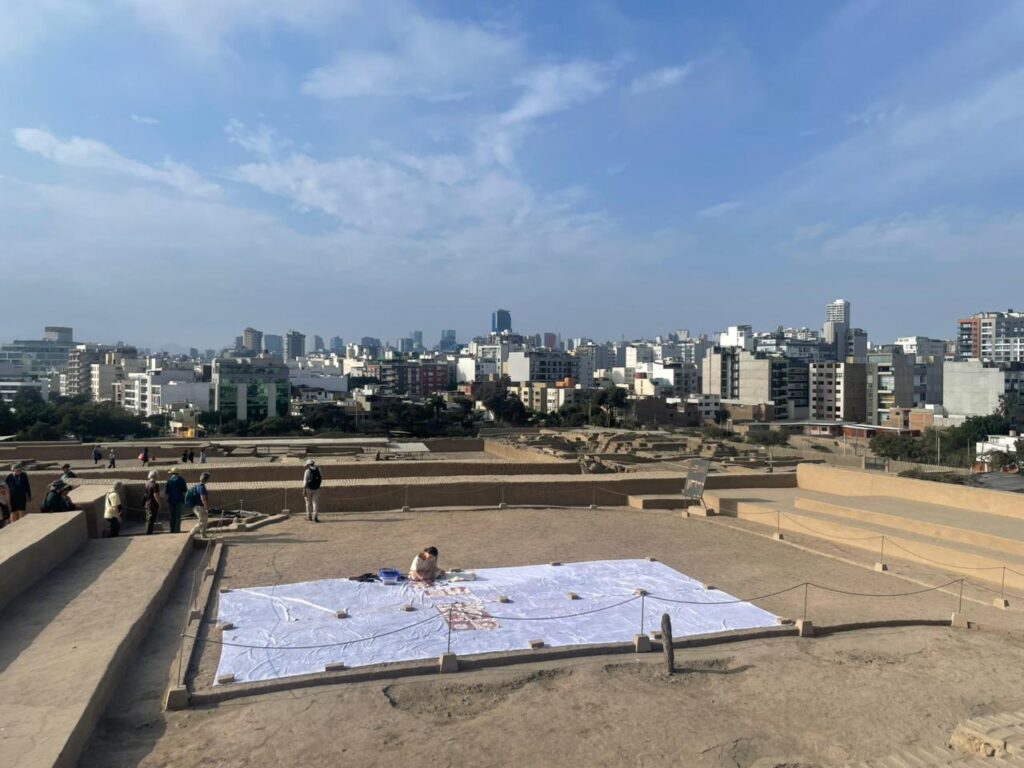
“I think it’s crucial,” she says of carrying out projects outside traditional galleries, noting that this approach “makes a significant difference” and allows artists to reach not only the typical art-going public but also people interested in the venues themselves, such as huacas, archaeological sites, and natural areas.
Decentralization also emerges as a fundamental part of this journey, driving the movement of audiences from Lima to other parts of the country, such as Cusco and various regions of Peru. In this context, contemporary art and the artist function “as a medium” and “as a channel for connecting with this natural space.”

The endless embrace of intertwined bodies 2026. Ivet Salazar (Perú). BLOC Art Perú
Regarding the long-term commitment to artists and the connection to the international art scene, Ortiz explains that BLOC Art’s primary mission has always been “to promote Peruvian art to the world.” Building on this, the search for international partnerships and platforms becomes an essential part of the work, especially in the context of art fairs, where the goal is not only to place works in collections but also to forge connections with curators, institutions, and various cultural agents.
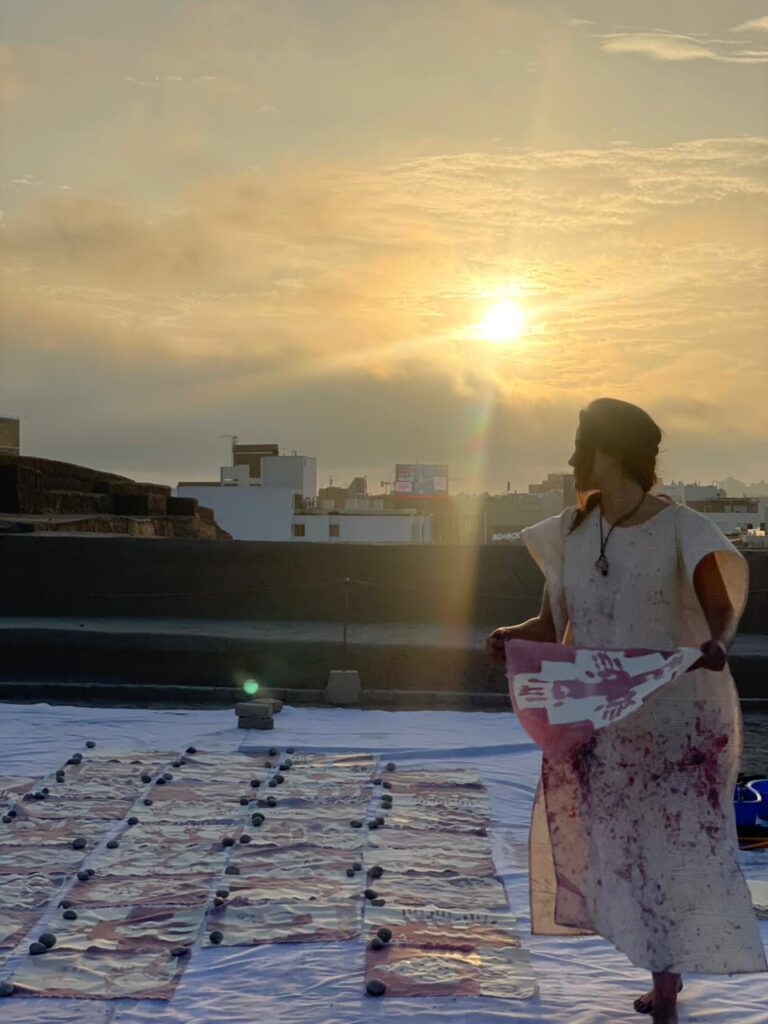
Performance by Verónica Penagos at the Pucllana Site Museum
“We also aim to better and more efficiently promote the careers of the artists we represent—not just the artists themselves, but Peru as a whole, that is, Peruvian contemporary art,” says the gallery owner, emphasizing the importance of building networks for collaboration and international representation.
Within this framework, Ortiz also highlights the role of Arte Al Límite as a platform capable of strengthening Latin America’s presence on the global stage. The existence of a publication and an institution, she explains, “empowers a Latin American voice on the world stage” by featuring artists in publications, collections, and new venues for exhibition.
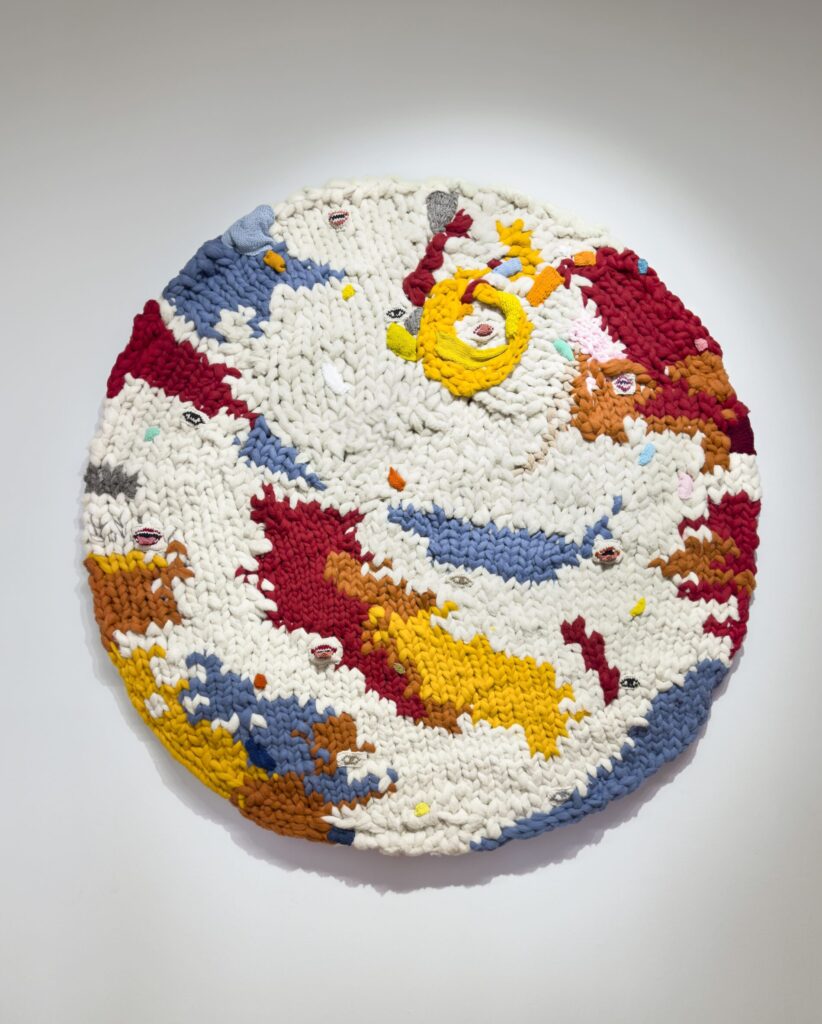
The Celebration; Ariana Macedo (Lima-Perú). BLOC Art Perú
Finally, the cultural manager emphasizes that the role of those working in cultural management within the arts ecosystem “is vital,” as they serve as a key link in educating audiences, presenting unique initiatives, and fostering respectful dialogue with the communities and cultures involved in each project.
“Knowing how to work collaboratively with other managers and agents of the art ecosystem—I think that’s key,” Brenda concludes.


